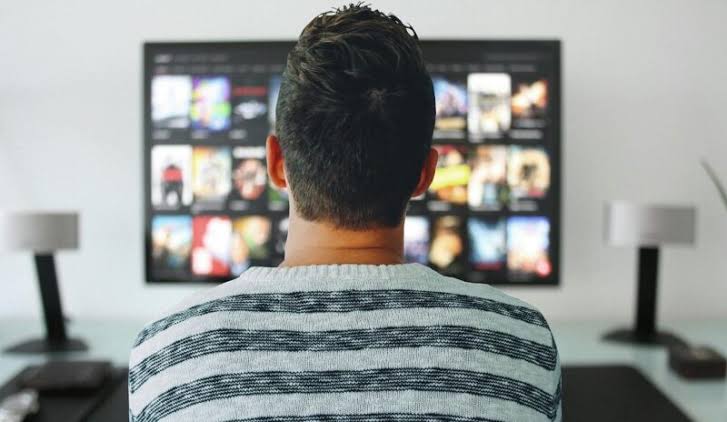
There was a time when entertainment came with a timetable. A favourite television programme started at a particular hour, a new film meant a trip to the cinema, and missing a cricket match could mean waiting until the evening news to find out what happened.
Today, the schedule belongs to us.
A smartphone can fill almost any spare moment. We can watch the final overs of a cricket match on the way home, start a film after dinner, listen to music while cooking or spend ten minutes watching short videos while waiting for a friend.
The biggest change isn’t simply that entertainment has moved online. It’s that people now decide when, where and how they want to enjoy it.
When everyone watched at the same time
Television once created shared routines in Indian homes.
Popular serials, cricket matches and weekend films brought families together because there wasn’t always another opportunity to watch them. If something started at 8pm, you needed to be there at 8pm.
Radio worked in much the same way. Presenters and stations decided what was playing, while listeners discovered new songs partly through whatever happened to be broadcast.
There was something social about that limitation. The next morning, classmates or colleagues could discuss the same match, episode or film because many of them had experienced it at roughly the same time.
That hasn’t disappeared completely. A major cricket match or film release can still create a shared cultural moment. But the everyday experience of entertainment has become far more individual.
The smartphone put everything in one place
The change becomes obvious when you think about how many devices a smartphone has replaced.
It can be a television, radio, music player, games device, newspaper and cinema screen. It is also the place where people talk about all those things afterwards.
India’s huge mobile internet audience has accelerated that shift. The Internet in India Report has documented the continued expansion of internet use across the country, with Indic-language content playing an important role in bringing more people online. The India Brand Equity Foundation has also highlighted the growing importance of regional-language internet use.
That matters for entertainment because the audience is no longer limited to people who primarily consume English-language content.
Marathi comedy, Hindi poetry, Tamil film clips or Telugu music can all find audiences through the same device.
Finding something has become part of the experience
More choice, however, creates its own problem.
Open a streaming app and you might have hundreds of films waiting. Open a music service and almost any song you can remember is a search away. Social media offers a feed that may never actually end.
So how do we choose?
Increasingly, technology chooses with us.
Streaming services recommend what to watch next. Music apps create playlists around previous listening habits. YouTube suggests another video before the current one has finished. Reviews, rankings and comparison resources offer another route for people who prefer to research before choosing.
That pattern can be seen across India’s expanding digital entertainment scene, where specialised comparison resources have emerged alongside the growing number of services competing for people’s leisure time.
Discovery, in other words, has become part of entertainment itself.
Cricket shows how old and new habits can mix
Few things illustrate the change better than cricket.
The game hasn’t suddenly become digital, but everything around watching it has changed.
A fan might follow the live match on one screen while checking statistics or reading reactions on another. Someone who misses a wicket can see a clip shortly afterwards. Highlights allow people who couldn’t watch for several hours to catch up quickly.
At the same time, social media adds another layer. Memes, commentary and conversations continue long after the final ball.
The communal experience is still there. It just doesn’t necessarily require everyone to be sitting in the same room.
Regional entertainment has more room to travel
Digital distribution has also changed what can become popular.
Traditional media had physical limits. A cinema only has so many screens. A television channel has 24 hours to fill. A newspaper only has so many pages.
A digital service doesn’t face those restrictions in quite the same way.
That gives regional creators more room to reach people directly. A poem, comedy clip or song created for a Marathi-speaking audience can travel far beyond Maharashtra if people start sharing it.
The growth of regional-language content is particularly important in India because internet adoption is increasingly being driven by users consuming content in Indic languages.
For creators, that means more potential audiences. For viewers, it means entertainment can feel more personal and culturally familiar.
We gained more entertainment, not more time
The irony is that technology has given us an enormous amount of choice without adding a single extra hour to the day.
A person can now choose between films, series, cricket, podcasts, music, games, social media and countless creators whenever they have a free evening.
But they still only have one evening.
That is why recommendations and discovery tools have become so influential. The real competition in entertainment isn’t simply between one streaming service and another or between television and smartphones.
Everyone is competing for attention.
Television once told us when our entertainment would begin. Smartphones removed that schedule and handed the decision to us.
Now the harder question isn’t whether there’s something to watch, hear or do.
It’s deciding what deserves our time.